


 Home
Home


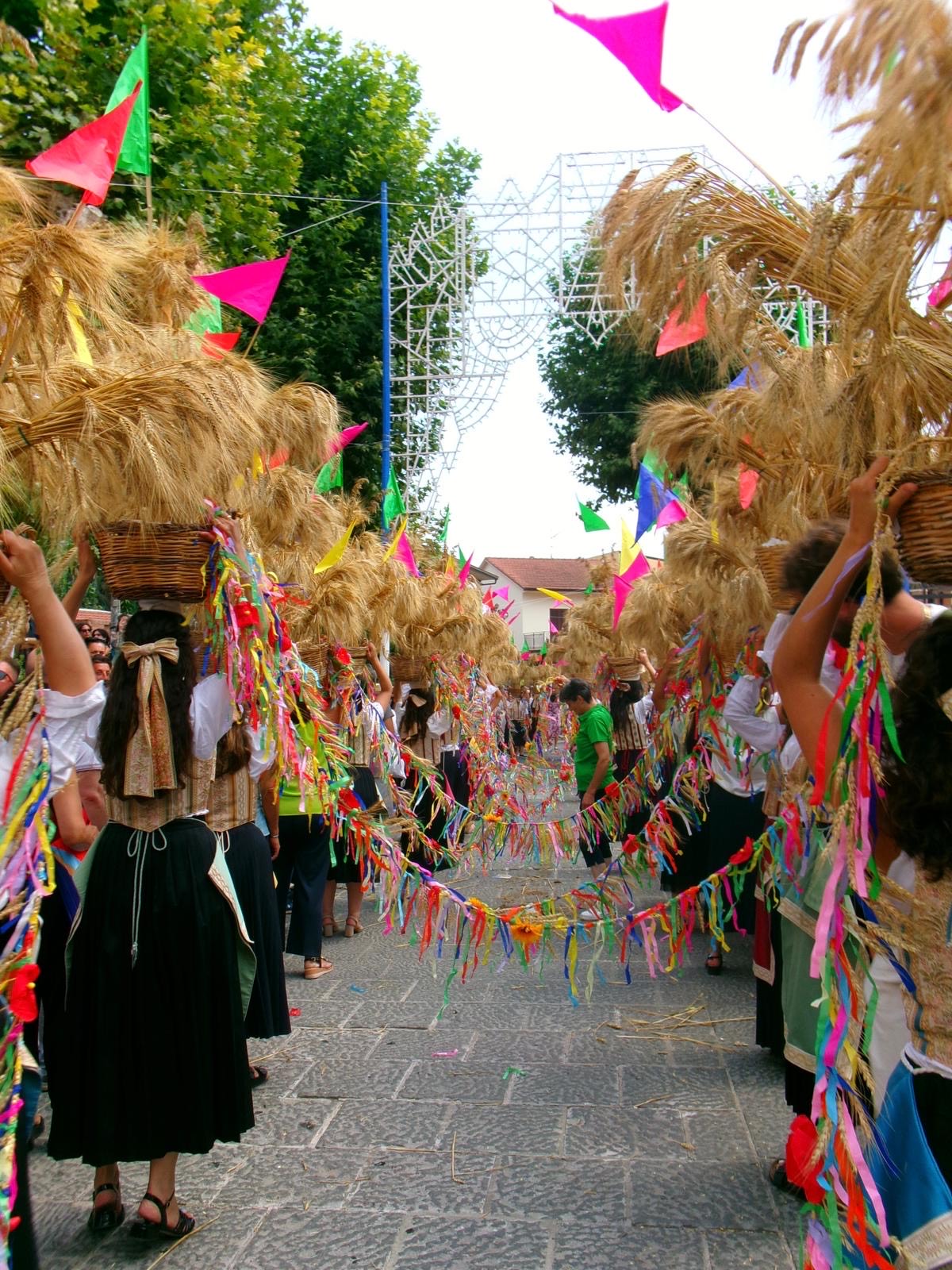
In the village of Foglianise, at the foot of Mount Caruso, summer smells like wheat and echoes with the sound of tammorre drums. Every year, on the second Sunday of August, one of Southern Italy’s most extraordinary events takes place: the Wheat Festival, dedicated to Saint Rocco, the town’s patron saint. At the heart of the celebration are the wheat floats—true works of art built from wood and covered entirely with hand-woven wheat stalks, using no glue or paint, only grain, thread, and tradition.
Each float, crafted over months by local artisans and families, represents religious, historical, or mythological themes. The parade winds through the village streets, followed by folk groups, marching bands, and costumed figures. Around the procession, a vibrant festival village comes to life, offering traditional food stands (like cavatelli pasta, wheat with chickpeas, ancient bread), exhibitions, and workshops on the art of weaving. Each evening ends with music, dancing, and starry skies.
The Wheat Festival is more than a celebration—it's a collective ritual, a heartfelt tribute to the land, farming life, and shared identity. A unique spectacle of faith, beauty, and rural heritage.
Curiosities:
- Art floats: Many wheat festivals in Italy feature floats made entirely from intricately woven wheat. A true showcase of rural creativity!
- Six months for one masterpiece. Each float takes up to six months to complete. Families and artisans begin weaving wheat during winter, working quietly in courtyards and basements.
Non ci sono commenti
A Theme for Every Edition
Each year, the master weavers draw inspiration from a different region of Italy to create their floats. After months of research and planning, these themes are transformed into spectacular wheat-based structures. In 2025, the tribute was dedicated to Friuli Venezia Giulia, with floats celebrating its landscapes, history, and cultural symbols.
A Monumental Parade
The first day of the parade is a true collective event. The floats, some towering several meters high, move slowly through the village, surrounded by crowds, drums, prayers, colors, and dances. Their passage is solemn and deliberate—an artistic procession in motion. Every step is a tribute to beauty.