


 Home
Home


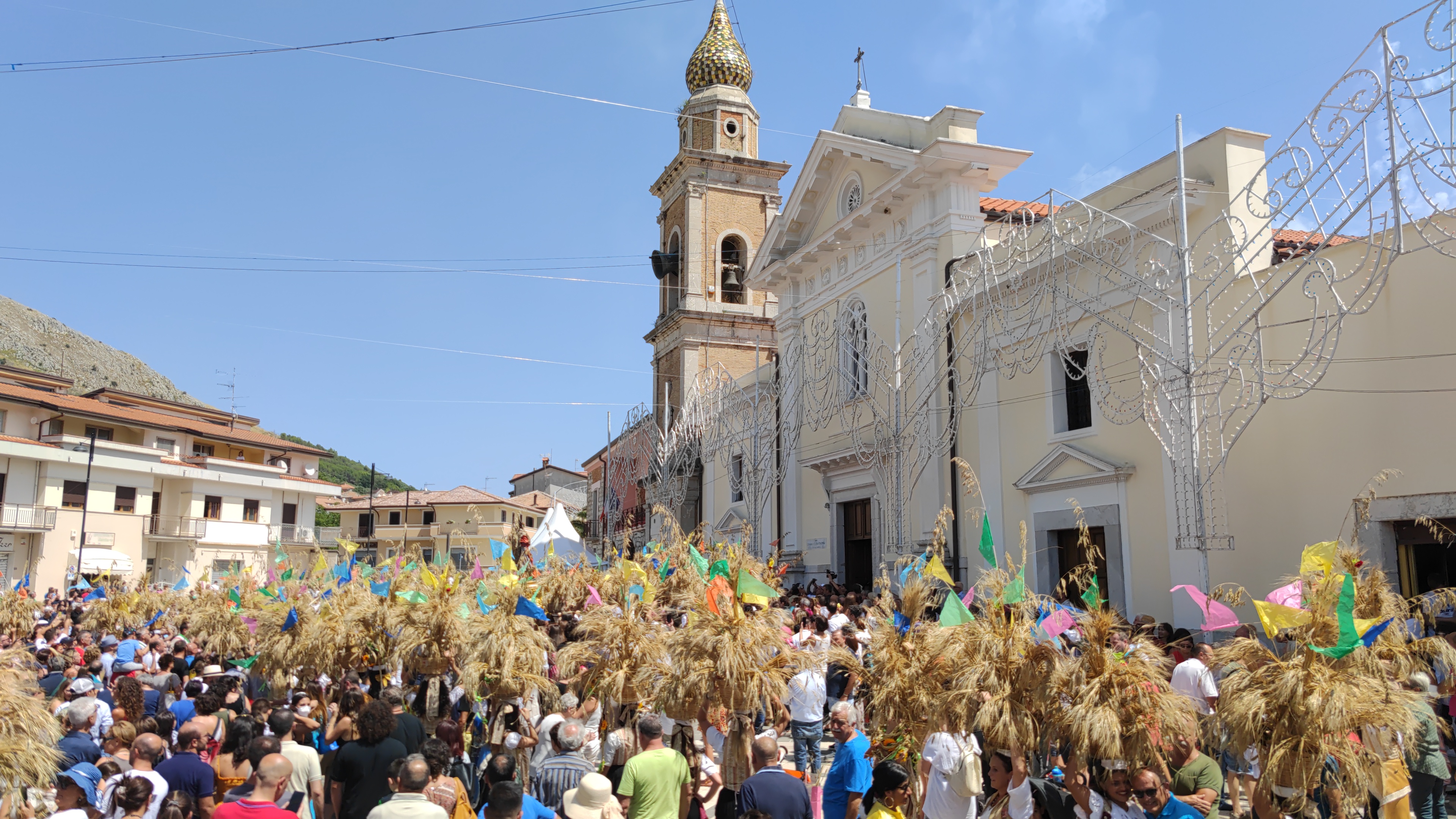
Morcone isn’t just visited — it’s conquered. You rise through its stone alleys the same way you climb through emotion: step by step, gaze by gaze. Clinging to the ridge of Monte Mucre, this vertical village unfolds like a natural amphitheater, with houses gently resting on the slope and archways whispering stories of faith, resilience, and ancient toil.
At the top, the ruins of the Lombard castle stand like a proud sentinel, offering breathtaking views over the Tammaro Valley. The historic center, compact and deeply authentic, is a patchwork of carved doorways, blooming courtyards, and tiny hidden churches—fragments of a silence that speaks.
But Morcone is more than stone and scenery. It’s a place of living culture, home to an active municipal theater, and each September it comes alive with the Fiera di San Michele, one of the oldest fairs in Southern Italy, filling the streets with voices, aromas, and tradition.
Surrounding nature offers trails, springs, woods, and space to breathe. At the table, the flavors of the Tammaro reign: pasta with beans, sheep’s cheeses, grilled meats.
Morcone is a climb that moves you and a descent you never forget.
Not just vertical — deeply human.
Curiosities
• The name “Morcone” comes from the Latin Mucro, meaning “sharp point,” referring to its scenic position on Monte Mucre’s ridge.
• The village was first mentioned in the year 776 AD, when it was a Lombard gastaldato (district).
• One of its streets was part of the Pescasseroli-Candela tratturo, the ancient transhumance route linking Molise and Puglia.
• The medieval castle walls are built on Samnite polygonal stonework foundations—a rare overlap of three historic eras.
• Morcone’s old train station, inaugurated in 1882, now hosts vintage tourist trains—where landscape meets living memory.
Non ci sono commenti